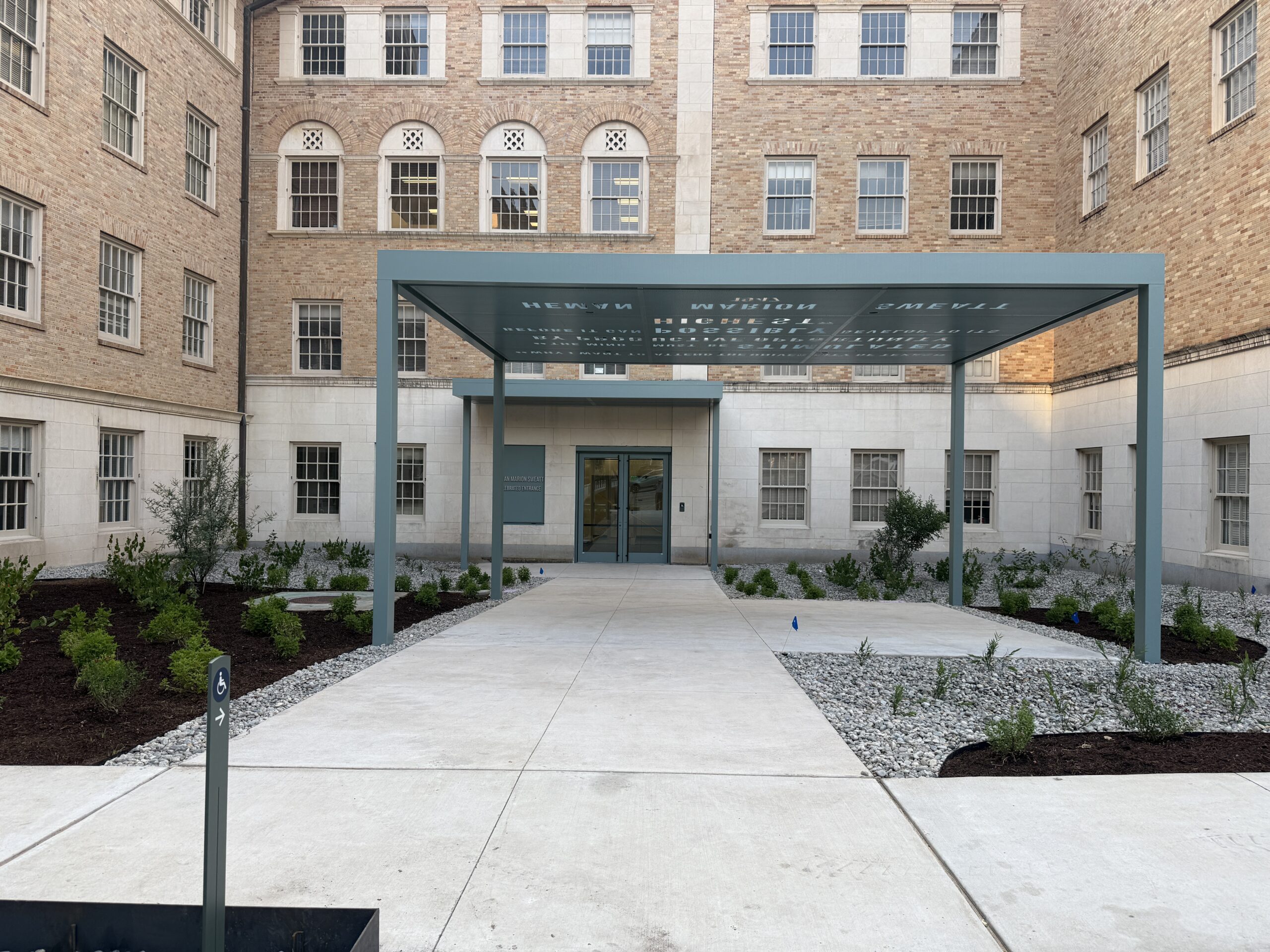
Sweatt v. Painter : Gallery
Explore the Gallery walls
Civil Rights (South Wall)
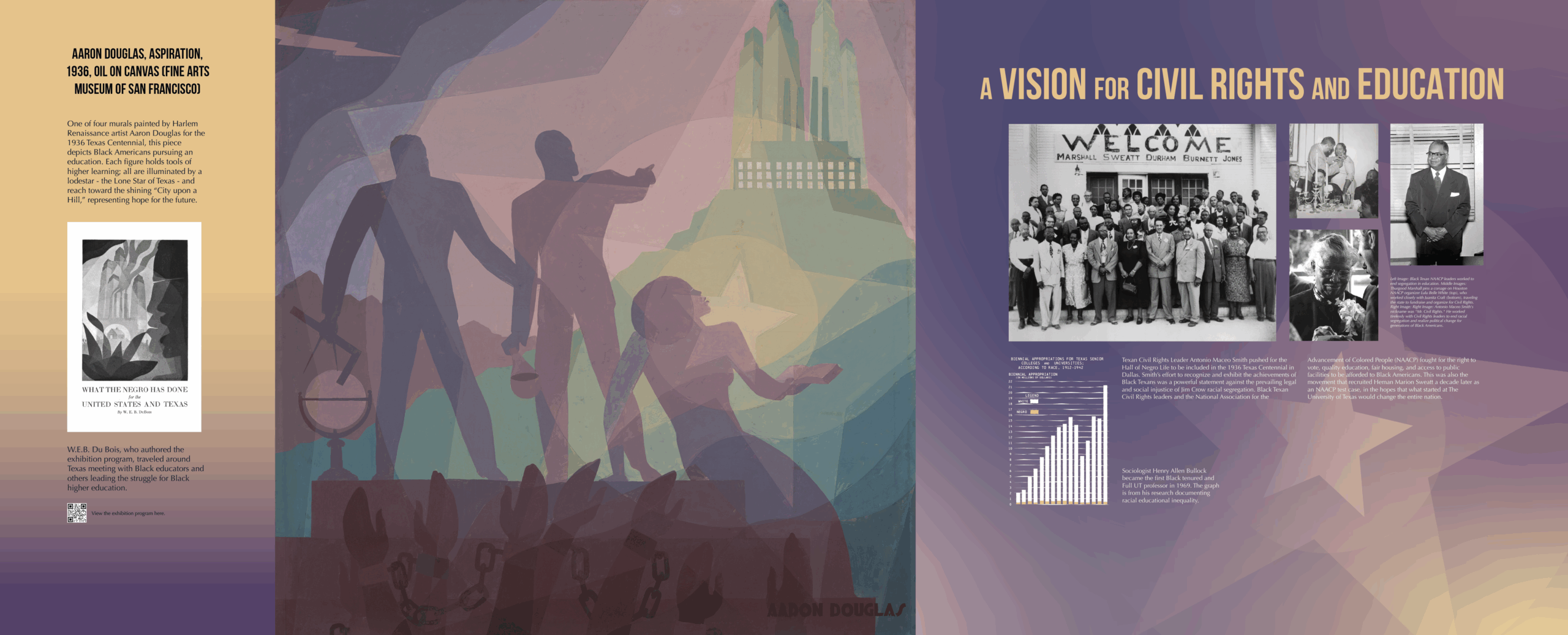
Aaron Douglas, Aspiration, 1936, oil on canvas (Fine Arts Museum of San Francisco)
One of four murals painted by Harlem Renaissance artist Aaron Douglas for the 1936 Texas Centennial, this piece depicts Black Americans pursuing an education. Each figure holds tools of higher learning; all are illuminated by a lodestar – the Lone Star of Texas – and reach toward the shining ‘City upon a Hill,’ representing hope for the future.
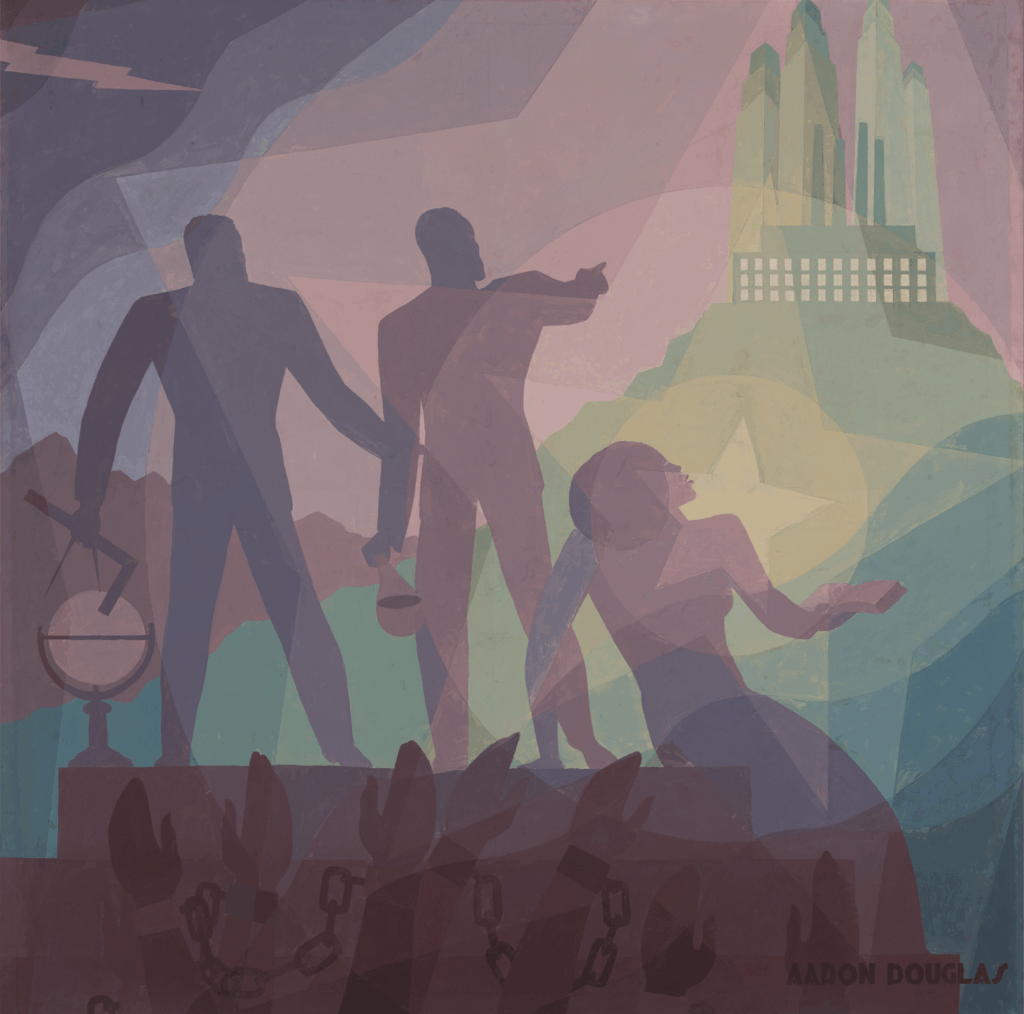
W.E.B. DuBois, who authored the exhibition program, traveled around Texas meeting with Black educators and others leading the struggle for Black higher education.
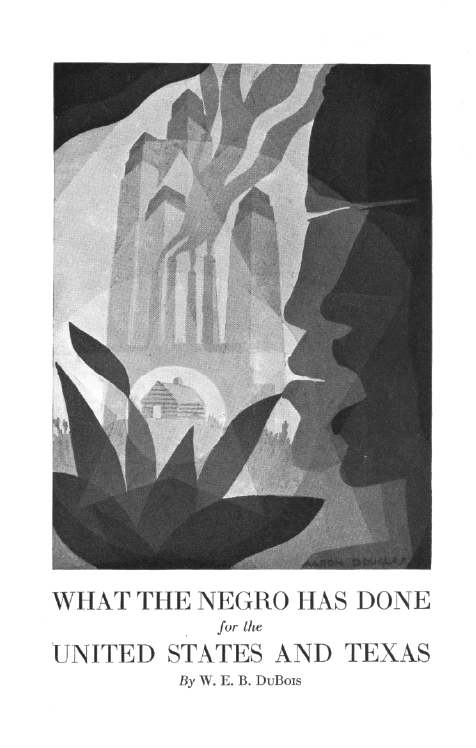
W.E.B. DuBois, “What the Negro has done for the United States and Texas” (Washington: U.S. Government Print Office, 1936). Dolph Briscoe Center for American History, The University of Texas, Austin, TX.
A Vision for Civil Rights and Education

NAACP Civil Rights Leaders, Courtesy of Michael Gillette.
Black Texan NAACP leaders worked together to end segregation in education.
Texan Civil Rights Leader Antonio Maceo Smith pushed for the Hall of Negro Life to be included in the 1936 Texas Centennial in Dallas. Smith’s effort to recognize and exhibit the achievements of Black Texans was a powerful statement against the prevailing legal and social injustice of Jim Crow racial segregation. Black Texan Civil Rights leaders and the National Association for the Advancement of Colored People (NAACP) fought for the right to vote, quality education, fair housing, and access to public facilities to be afforded to Black Americans. This was also the movement that recruited Heman Marion Sweatt a decade later as an NAACP test case, in the hopes that what started at The University of Texas would change the entire nation.
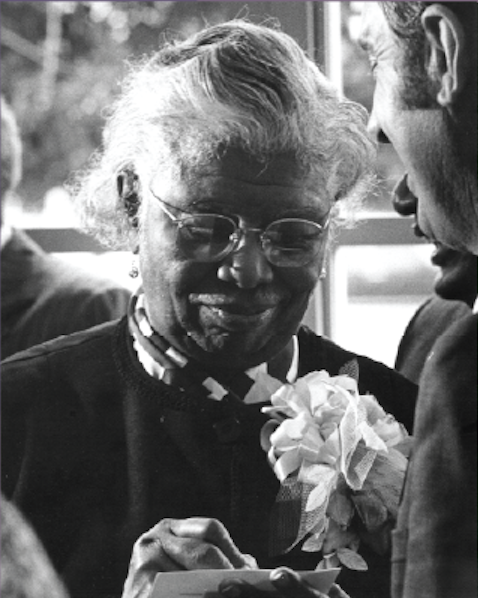
Juanita Jewel Craft. Photo by LeAnn GIllette, 1974. Courtesy of LeAnn and Michael Gillette.
NAACP organizer Lulu Belle White worked closely with Juanita Craft, traveling the state and meeting with youth, fundraising, and organizing.
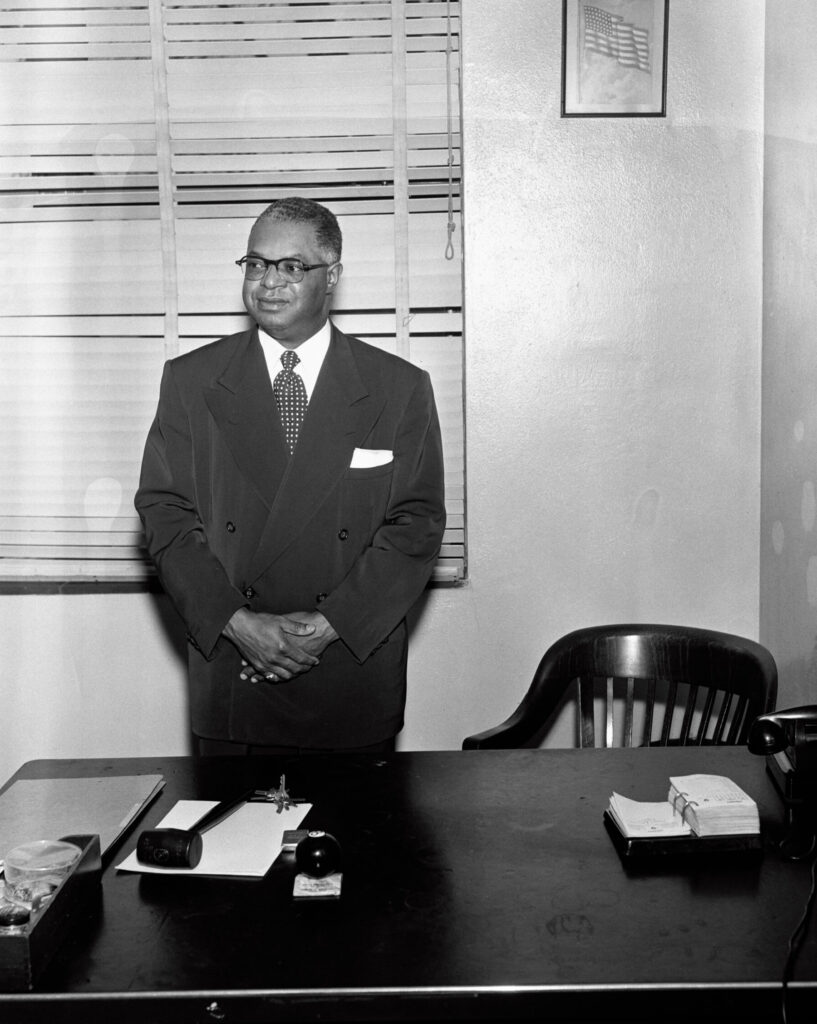
Antonio Maceo Smith and other Black Texan Civil Rights leaders and national leaders worked tirelessly to end racial segregation to realize political changes for the next generations of Black Texans and Americans. would change the entire nation.
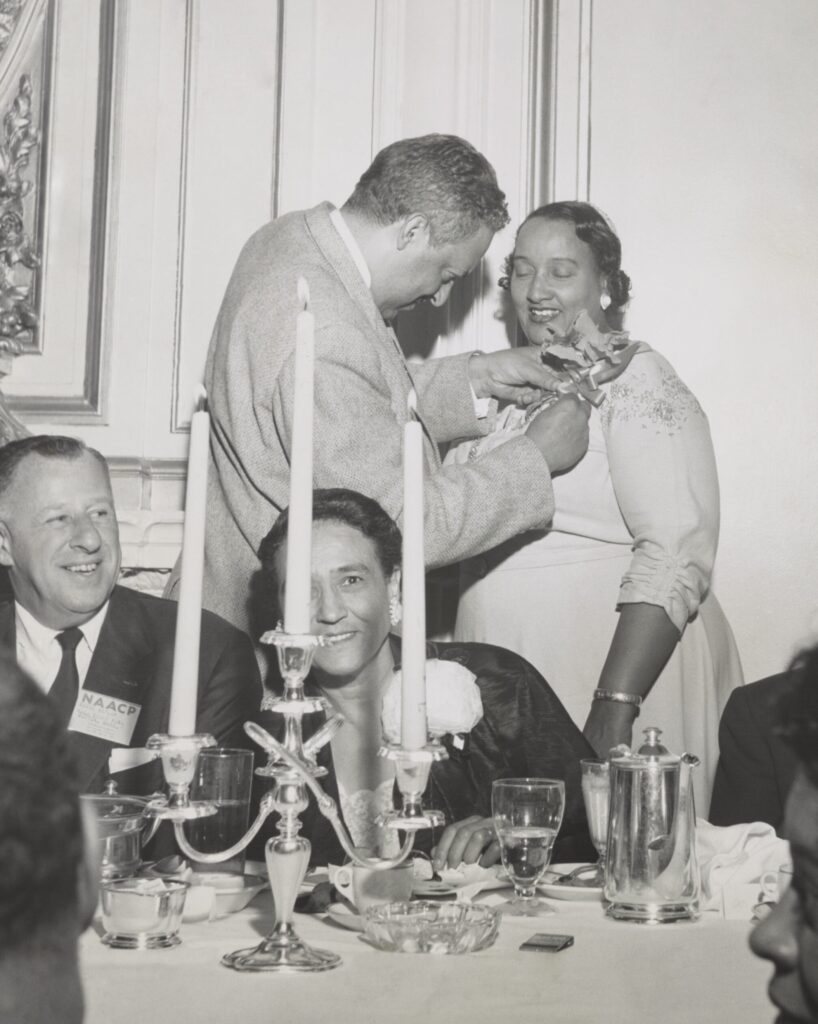
Photograph. June 26,1956, Everet/Shutterstock (10293318a).
Thurgood Marshall pins a corsage on Houston NAACP organizer Lulu Belle White.
Biennial Appropriations for Texas Senior Colleges and Universities; According to Race, 1912 – 1942
Sociologist Henry Allen Bullock became the first Black tenured and Full UT professor in 1969. The graph is from his research documenting racial educational inequality.
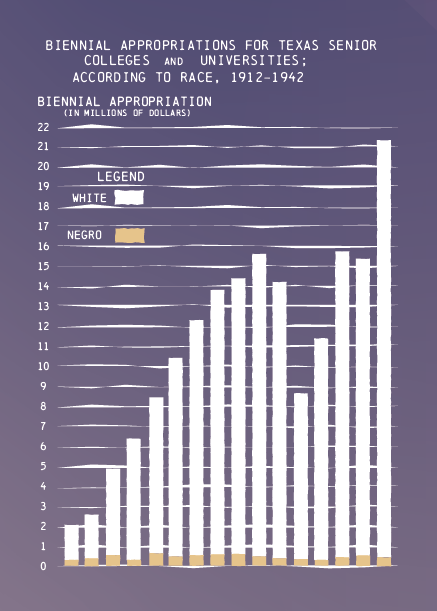
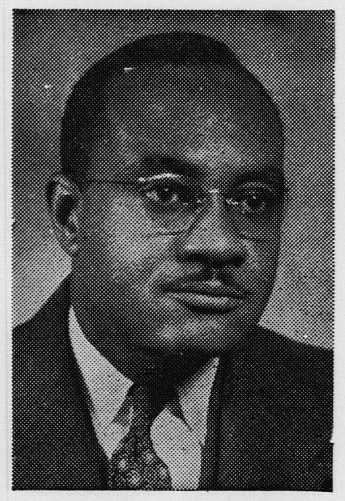
The Texas Standard, Volume 30, Number 3, September-October 1956, periodical, September1956, Austin, Texas, pg. 18. Available from: The Portal to Texas History: accessed October 15, 2025, University of North Texas Libraries, The Portal to Texas History, https://texashistory.unt.edu; crediting Prairie View A&M University.
Dr. Henry Allen Bullock won the 1968 Bancroft Book Prize for his book, A History of Negro Education in the South. He taught Black History at The University of Texas.
Explore & Learn More
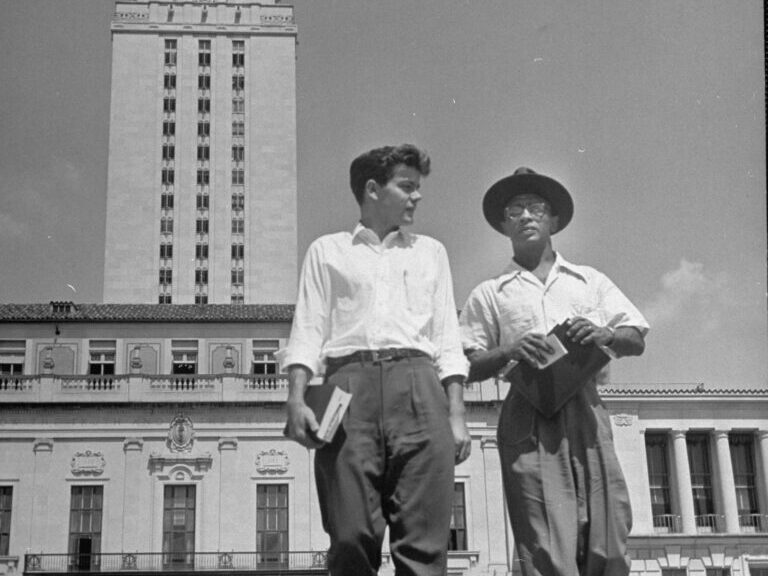
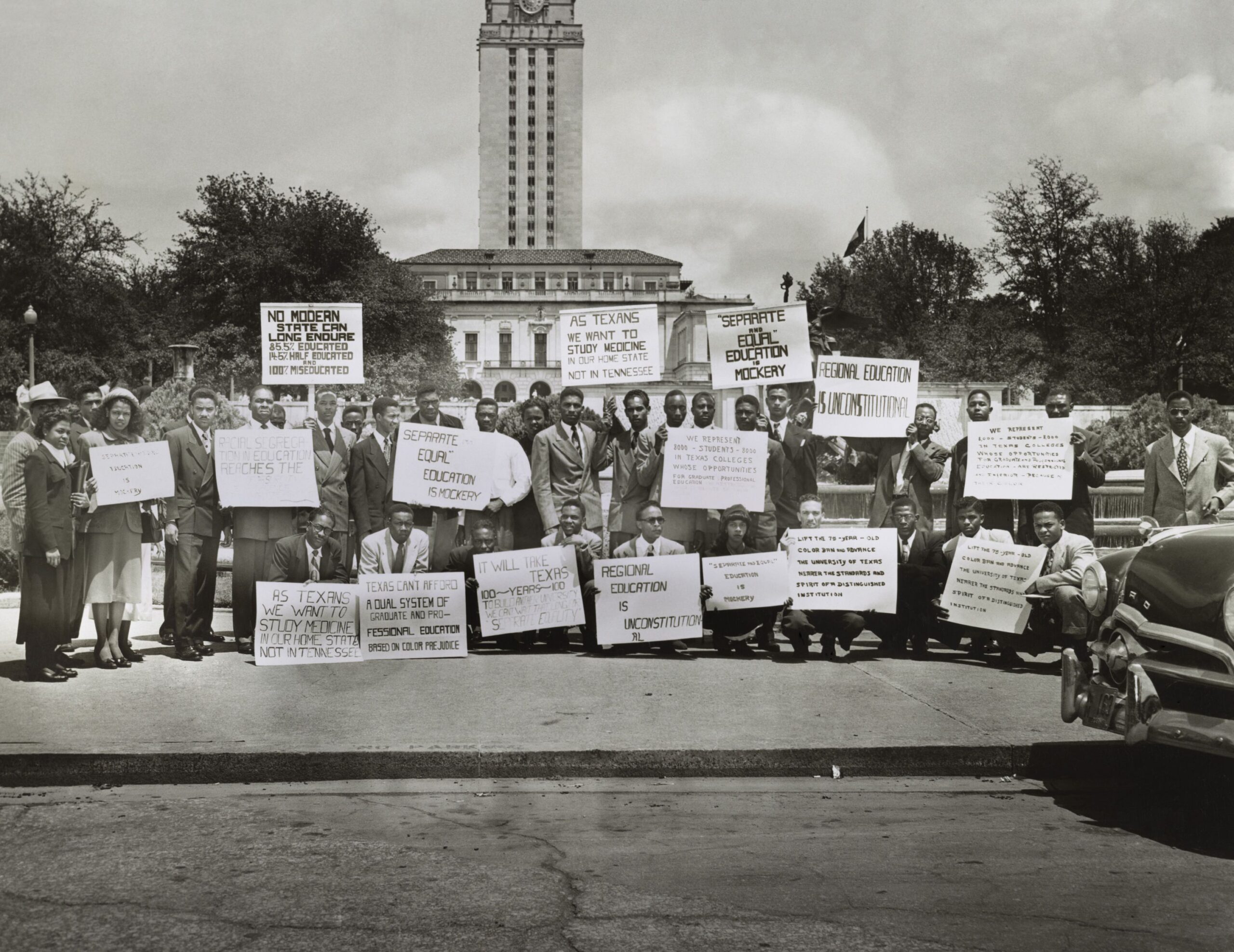
Learn more about Heman Marion Sweatt and other key figures and their legal struggle for racial equity in higher education at UT and in the nation.